Archives
- 2026-10
- 2026-09
- 2026-08
- 2026-07
- 2026-06
- 2026-05
- 2026-04
- 2026-03
- 2026-02
- 2026-01
- 2025-12
- 2025-11
- 2025-10
- 2025-09
- 2025-03
- 2025-02
- 2025-01
- 2024-12
- 2024-11
- 2024-10
- 2024-09
- 2024-08
- 2024-07
- 2024-06
- 2024-05
- 2024-04
- 2024-03
- 2024-02
- 2024-01
- 2023-12
- 2023-11
- 2023-10
- 2023-09
- 2023-08
- 2023-06
- 2023-05
- 2023-04
- 2023-03
- 2023-02
- 2023-01
- 2022-12
- 2022-11
- 2022-10
- 2022-09
- 2022-08
- 2022-07
- 2022-06
- 2022-05
- 2022-04
- 2022-03
- 2022-02
- 2022-01
-
Compound mg was purified as
2024-03-14
Compound 3 (29 mg) was purified as an amorphous, colourless powder. Molecular formula C20H28O4 was established by HRESIMS (Fig. S11) and corroborated with 1H and 13C NMR spectroscopic data (Table 1). IR spectrum showed bands for hydroxyl (3433 cm−1) and carbonyl (1686 cm−1) groups. 13C NMR spectrum
-
The SKOV and SKOV TR cells were exposed to
2024-03-14
The SKOV3 and SKOV3TR azd were exposed to stepwise increased concentration of paclitaxel with or without a different concentration of autophagy inhibitor (3-MA or HCQ) to further evaluate whether suppression of autophagy affected the growth and drug sensitivity of ovarian cancer cells in vitro. As
-
Our results showed suppressed autophagy in GECs
2024-03-14
Our results showed suppressed autophagy in GECs under HAGG stimulation. Recently, people have paid more attentions on the roles of autophagy in lupus and tried to use autophagy regulators for therapy. Rapamycin could prevent the development of nephritis [49] and attenuate the established nephritis [
-
Plant pathogenic fungi have caused a lot of
2024-03-13
Plant pathogenic fungi have caused a lot of economic losses to agricultural production worldwide every year. It is necessary to develop an bio-sourced antifungal agent for agricultural use. Many researches have shown that the antifungal activity of quaternized chitosan derivatives is mainly affected
-
br Introduction Alzheimer s disease AD is a neurodegenerativ
2024-03-13

Introduction Alzheimer's disease (AD) is a neurodegenerative disorder and the leading cause of dementia. It is characterized by progressive and irreversible damage to different INK 128 receptor areas, resulting in cognitive impairment and behavioral changes (O'Neill, 2013, De Strooper and Karran
-
br Current therapies for metabolic diseases
2024-03-13
Current therapies for metabolic diseases Inborn errors of metabolism caused by deficiency of particular enzymes due to loss of function mutations or deletions have been treated by decreasing the intake of the enzymatic substrate, supplementation with an essential cofactor or vitamin, increasing m
-
AM1241 In conclusion we have demonstrated that diaryl pyrazo
2024-03-13

In conclusion, we have demonstrated that ,-diaryl-1-pyrazolo[3,4-]pyrimidine-3,6-diamines represent a novel class of ACK1 inhibitors. The presence of a polar substituent at C-4 of the N-6 aryl ring was shown to be unnecessary for maintaining high levels of inhibitory activity. Furthermore, selectivi
-
br Introduction Fungi are an inexhaustible source of
2024-03-13

Introduction Fungi are an inexhaustible source of natural products mainly due to their wide distribution in the nature, estimated to range from 1.5 to 5.1 million species in the world [1]. Secondary metabolites from fungi represent a substantial fraction of drugs and drug models in pharmaceutical
-
br Methods br Transparency document br Introduction
2024-03-12
Methods Transparency document Introduction Epinephrine (EP) is a critical hormone and catecholamine neurotransmitter in nervous system of mammals.1, 2, 3 It has been known to accelerate and regulate heartbeat, blood pressure, bronchodilation, mydriasis, blood sugar and lipolysis, and can he
-
Finasteride has been shown to be
2024-03-12
Finasteride has been shown to be a mechanism-based inhibitor of 5AR-2 [9]. Finasteride acts as an alternate substrate for 5AR-2 and is initially bound in an extremely stable enzyme-bound NADP-dihydrofinasteride adduct which is ultimately processed to dihydrofinasteride. The NADP-dihydrofinasteride a
-
br Regulation and pharmacology of mPGES mPGES kDa amino acid
2024-03-12
Regulation and pharmacology of mPGES-1 mPGES-1 (16 kDa, 152 amino acids) is a trimeric integral membrane protein of the endoplasmic reticulum with each monomer containing four transmembrane domains (Samuelsson et al., 2007; Sjogren et al., 2013). The three active site cavities are located at the
-
Given the profound expression of HT A and HT A
2024-03-12
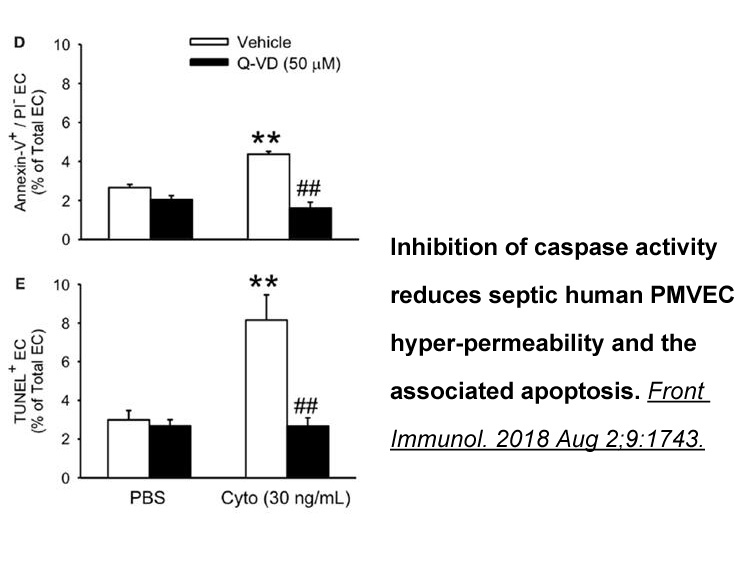
Given the profound Cy5.5 carboxylic acid (non-sulfonated) synthesis of 5-HT1A and 5-HT2A in the hippocampal CA1 region, and their potential to complex with mGluRs, the objective of this study was to examine if sleep deprivation alters the expression of 5-HT1A and 5-HT2A receptors and determine whet
-
11302 MafB a member of the Maf protein family
2024-03-12
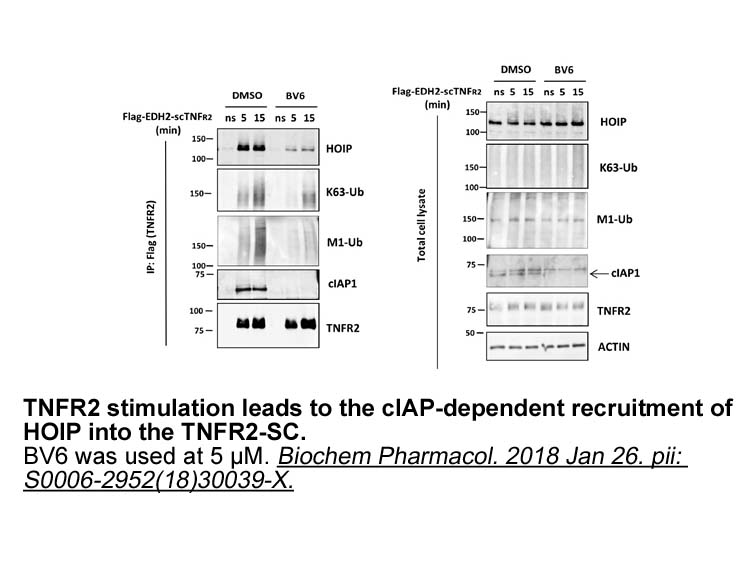
MafB, a member of the Maf protein family, is essential for terminal differentiation of macrophages (Kelly et al., 2000). The phagocytic activity of polystyrene beads was found to be enhanced in 11302 with exogenous expression of MafB (Tillmanns et al., 2007). However, in alveolar macrophages of domi
-
CHK has been reported to be the kinase
2024-03-12
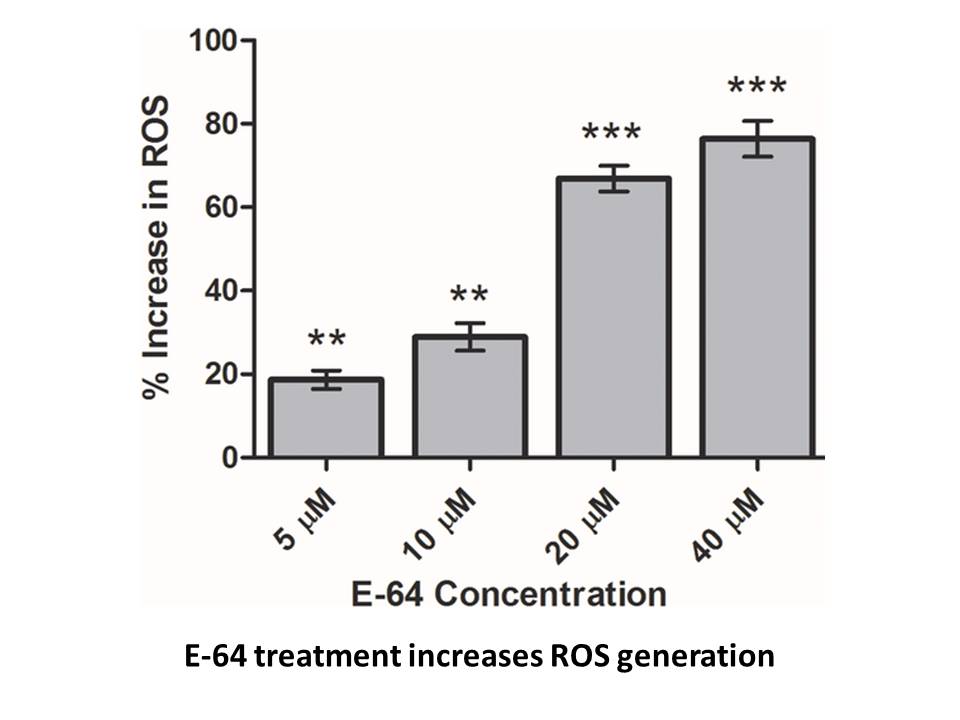
CHK1 has been reported to be the kinase responsible for H3.3S31 phosphorylation in human ALT cancer gpr55 agonist . However, in our study, knockdown of CHK1 in HEK293F (Figs. S1c and S6) or HeLa S3 (data not shown) cells did not result in a significant decrease in H3.3S31ph, which is in agreement w
-
br Experimental and simulation section br Acknowledgments Fi
2024-03-12
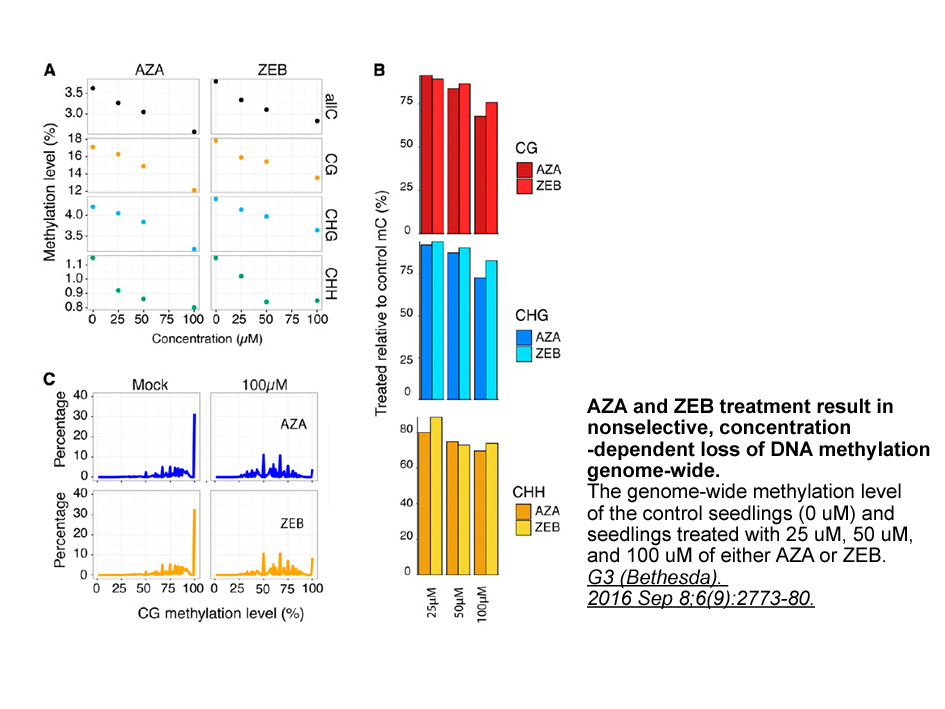
Experimental and simulation section Acknowledgments Financial support for this work was provided by the National Natural Science Foundation of China (No. 81101688). We would like to thank NC State University High Performance Computing Center for providing us computing resources, and Dr. Lihui
7700 records 221/514 page Previous Next First page 上5页 221222223224225 下5页 Last page